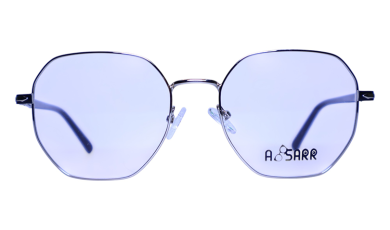
The Importance of Precise Eyeglass Fitting & A Hidden Danger for Toddlers
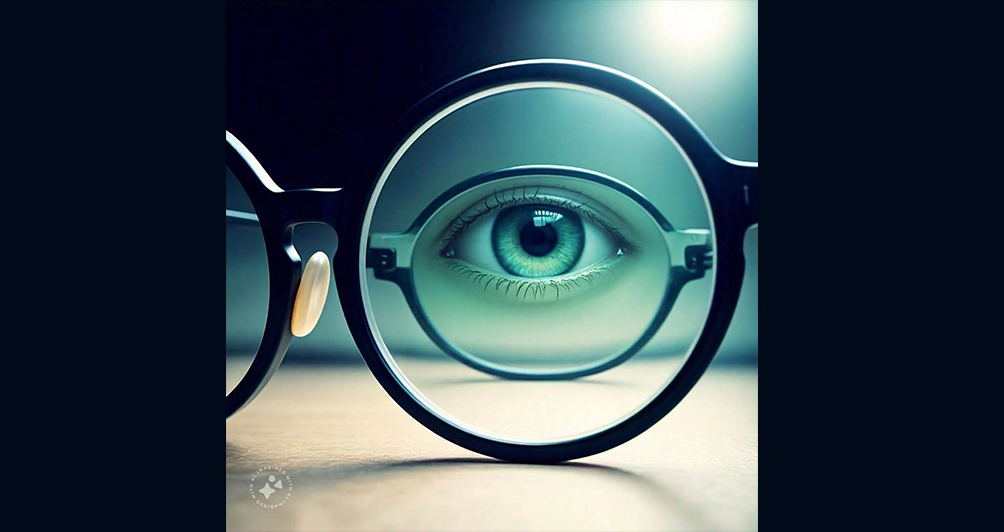
When choosing the right pair of eyeglasses, precision in facial measurements is essential for both comfort and visual performance. Below are the key dimensions that opticians use globally:
- Pupillary Distance (PD)
Distance between the centers of both pupils, usually between 54–74mm in adults. This is vital to correctly position lenses for optimal focus. - Bridge Width
The space between the two lenses resting on the nose. A good fit prevents pressure or slippage. - Frame Width
Total width including lenses and bridge. It should match your face width for a balanced look and feel. - Lens Height
Vertical size of each lens, important especially for progressive or bifocal lenses. - Temple Length
Arm length (135–145mm) that extends to the ears. It must be comfortable behind the ears. - Pantoscopic Tilt
The lens tilt (typically 7–15 degrees) to improve viewing angles. - Base Curve
Front curvature of the lenses, tailored to match your facial contours. - Face Clearance
Proper space between the frame and cheeks, avoiding contact while smiling. - Bridge Height
The vertical position of the bridge on the nose, crucial for preventing slipping. - Eye Position Within the Lens
The pupil should ideally be centered or slightly above the middle of the lens.
Additional Factors:
- Face shape: Determines frame style (round, oval, square, rectangular).
- Lifestyle needs: Daily activities influence frame choice (sports, work, screen time).
Accurate fitting involves specialized tools and professional measurement to ensure the best results for comfort, aesthetics, and optical alignment.
A Kiss That Can Blind: The Silent Threat of HSV-1 in Children
A heartbreaking case recently emerged:
A 2-year-old child lost vision after being kissed by someone carrying the herpes simplex virus (HSV-1).
What is HSV-1?
HSV-1, commonly known as oral herpes, spreads easily—even when no visible cold sores are present. For infants and toddlers, the risks are severe due to their underdeveloped immune systems.
Possible Complications:
- Eye infections leading to blindness
- Herpes encephalitis: inflammation of the brain
- Meningitis
- Severe fever, seizures, and even death if not diagnosed in time
How to Protect Your Child:
- Avoid kissing babies if you have a cold sore or recent outbreak
- Wash your hands regularly
- Never share cups, utensils, or towels with infants
- Educate friends and family on the dangers of HSV-1
Leave a comment